-
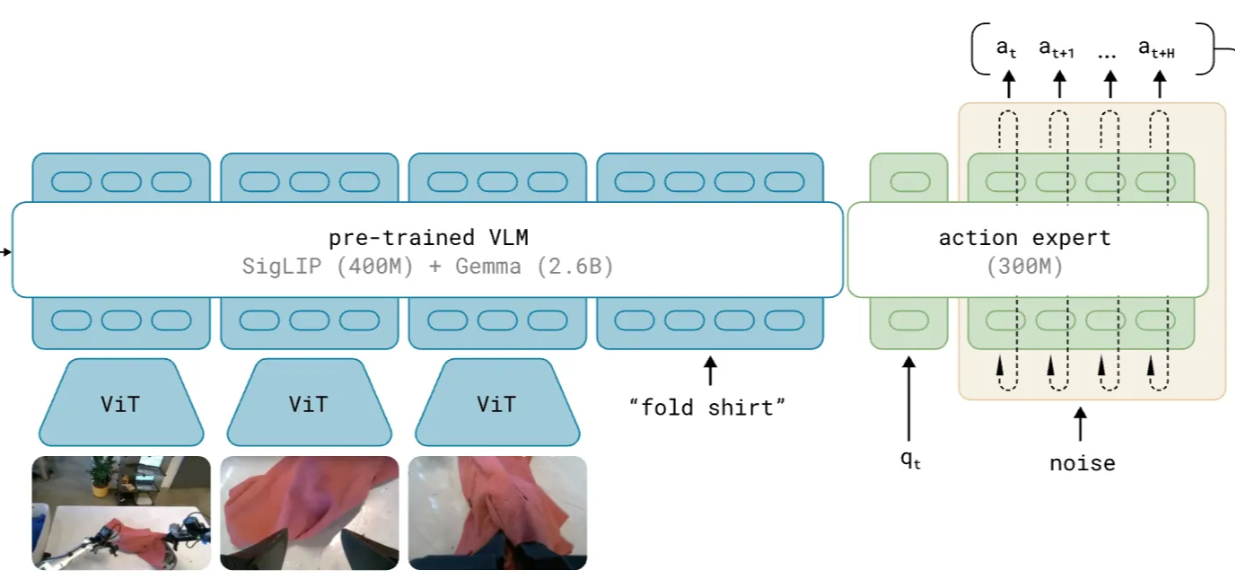
Foundation Models for Robotics: Vision-Language-Action (VLA)
How vision-language-action models bring foundation models to robotics, covering RT-1, RT-2, OpenVLA, pi0, and Hi Robot.
-
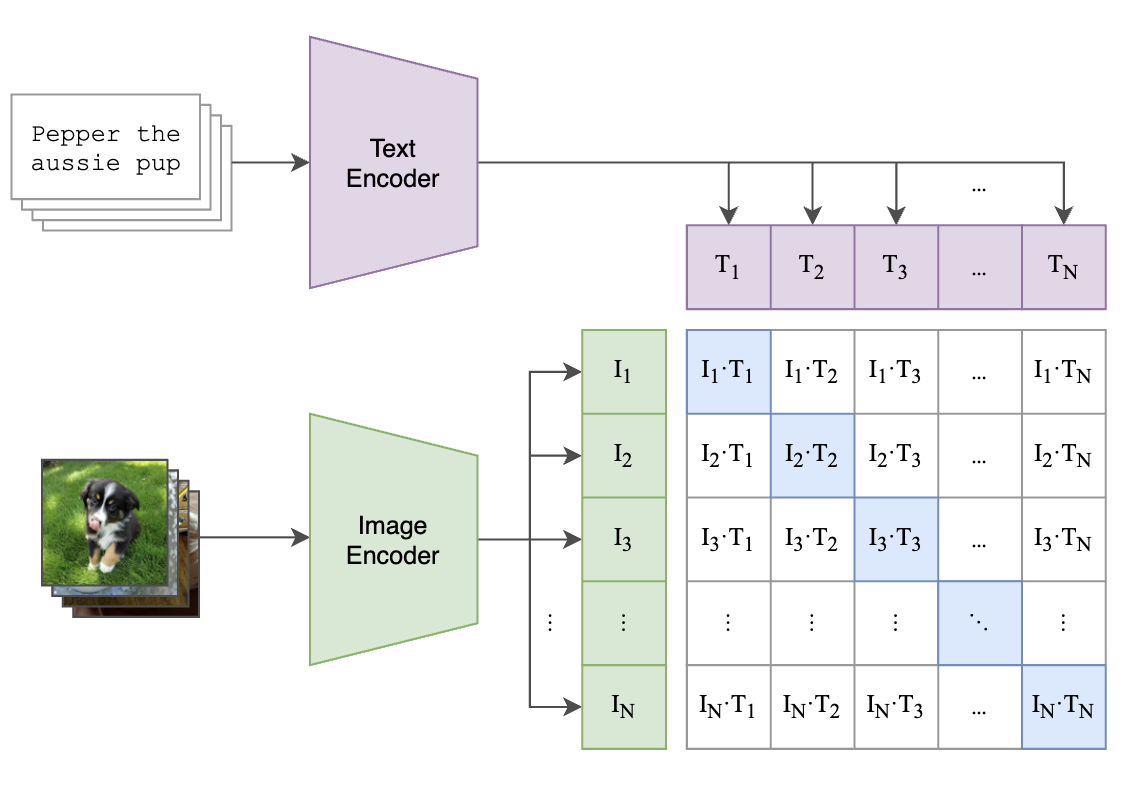
Vision Language Models
How vision language models connect images to text for zero-shot tasks, covering CLIP, SigLIP, Flamingo, and LLaVA.
-
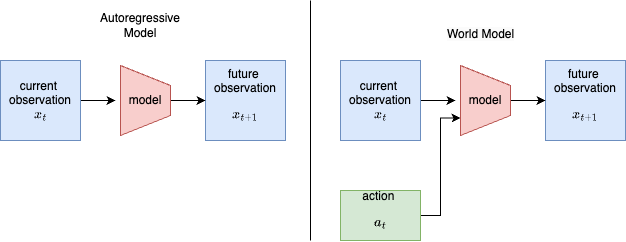
World Models
How world models learn to predict the effect of actions on an environment, covering Dreamer, Genie, Cosmos, and DINO-WM.
-
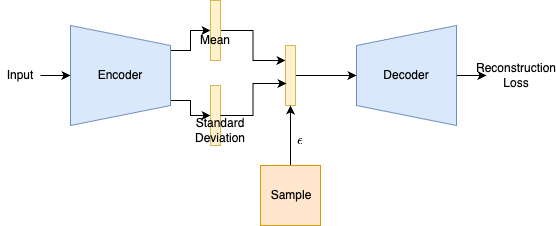
Variational Autoencoders: VAE to VQ-VAE / dVAE
From autoencoders to VAE, VQ-VAE, and dVAE: the ELBO, the reparameterization trick, discrete latents, and why they matter for image generation.
-
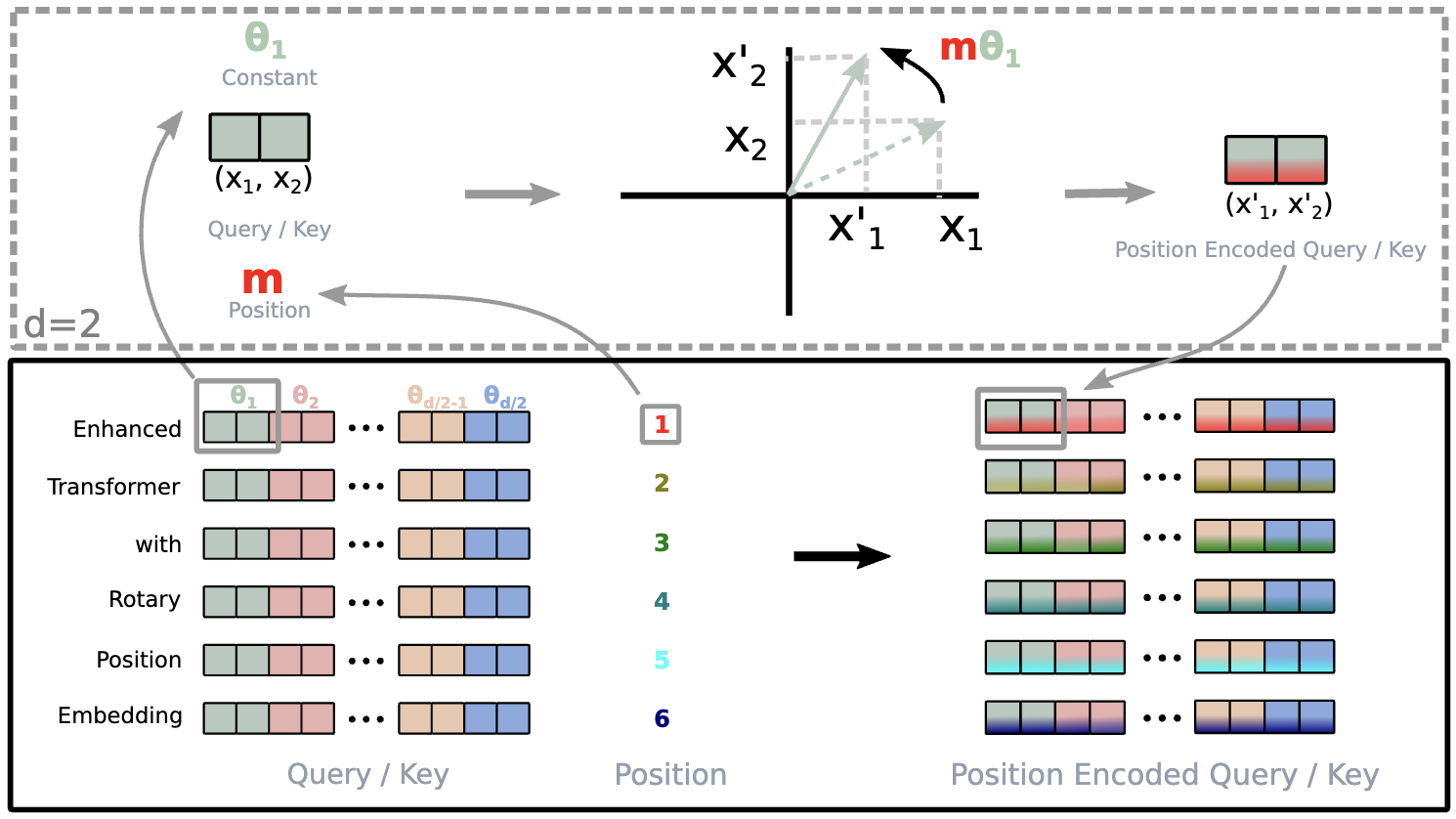
Transformer Design Guide (Part 2: Modern Architecture)
Part 2 of the Transformer design guide, covering RMSNorm, SwiGLU, RoPE, FlashAttention, KV caching, GQA, and mixture-of-experts.
-
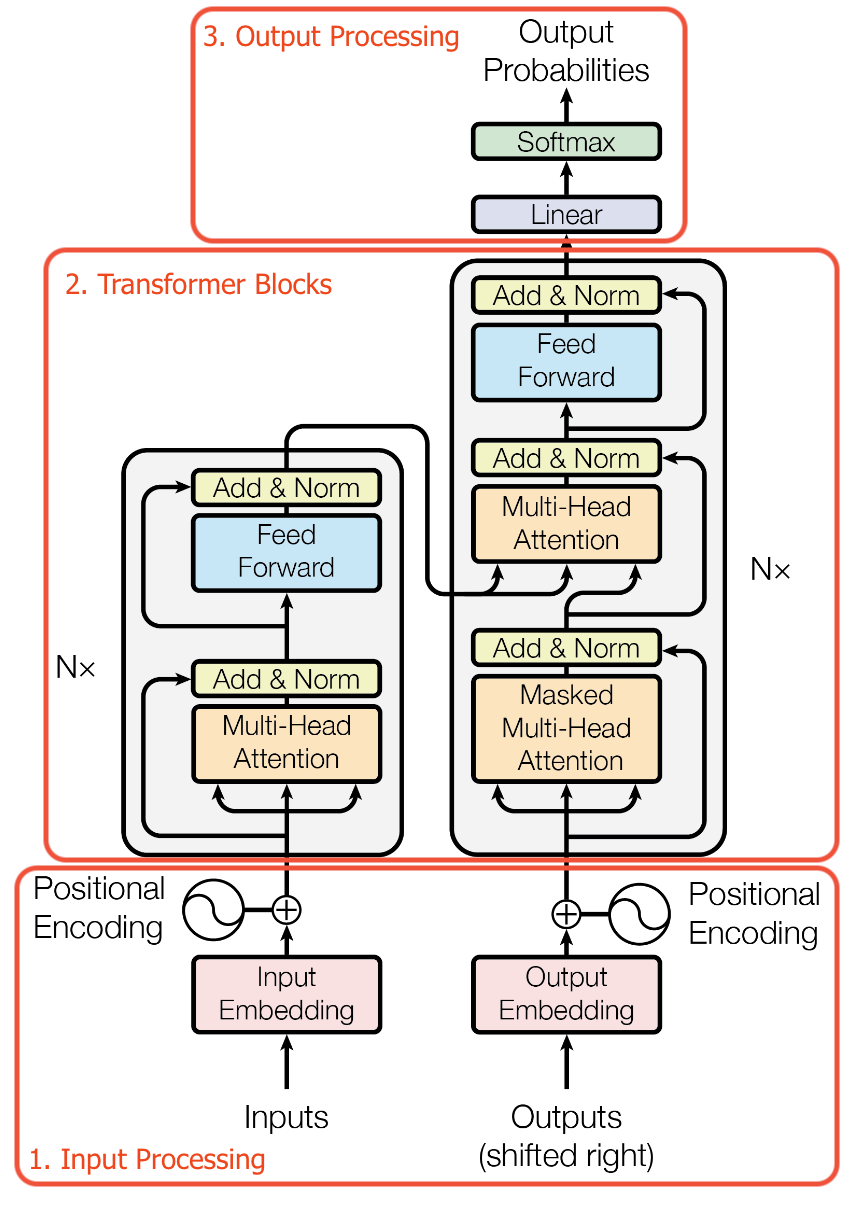
Transformer Design Guide (Part 1: Vanilla)
Part 1 of a thorough guide to the Transformer, breaking down attention, embeddings, and every component of the original architecture.
-
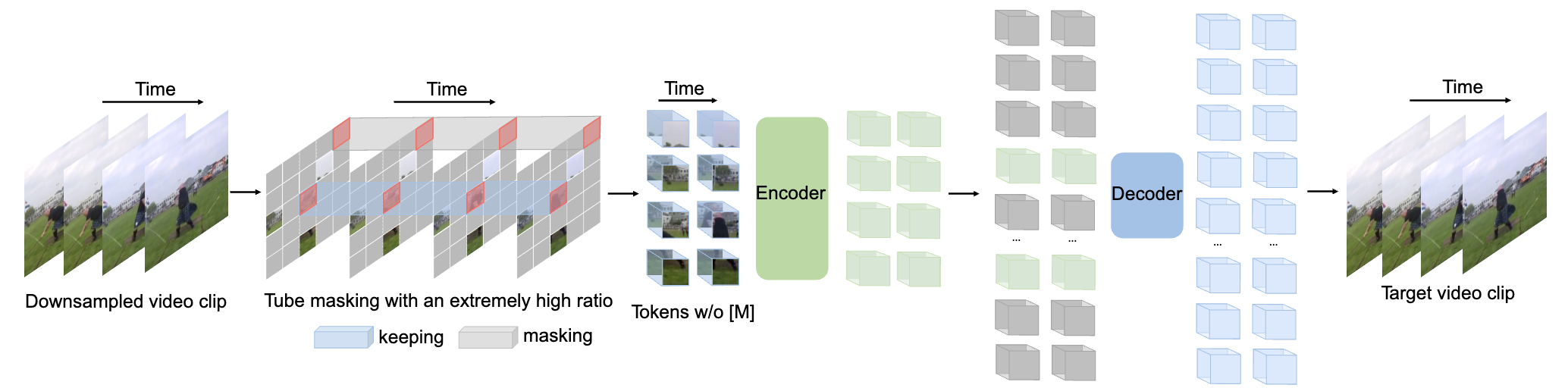
Self-Supervision from Videos
Self-supervised learning from video, and how methods like VideoMAE use temporal structure to learn representations without labels.
-
SSL with Vision Transformers
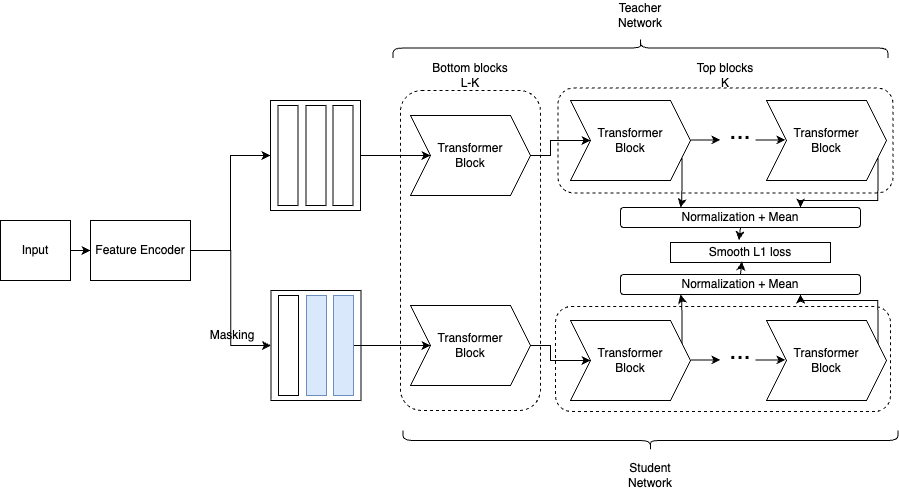
How self-supervised learning adapts to vision transformers through masking, covering MAE, BEiT, DINO, DINOv2, iBOT, and data2vec.
-
Deep Dive into Yann LeCun’s JEPA
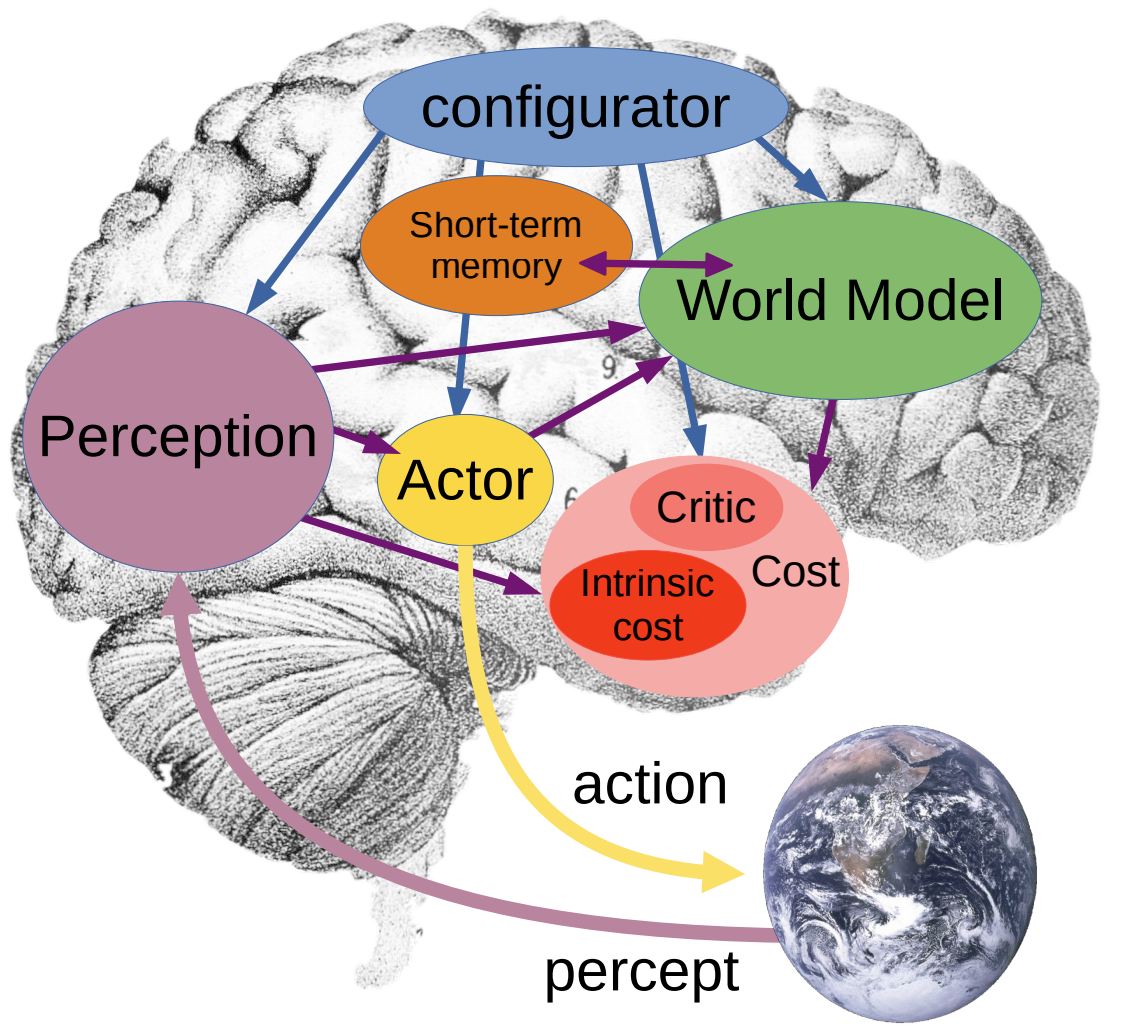
A deep dive into Yann LeCun's Joint Embedding Predictive Architecture, covering I-JEPA, V-JEPA, V-JEPA 2, and energy-based alternatives to generative AI.
-
Scaling Deep Learning
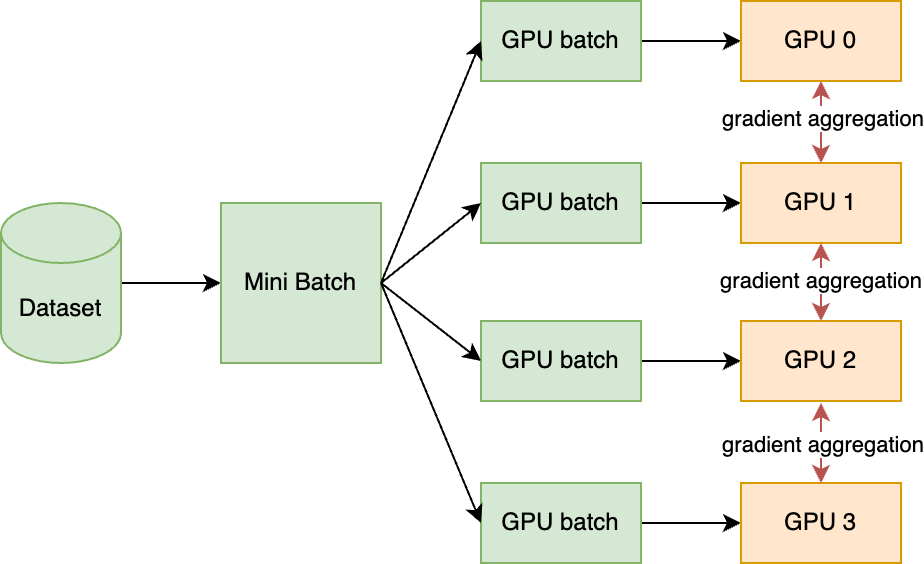
Intuitions for scaling deep learning across many GPUs: data, model, pipeline, and tensor parallelism, and how each affects training.
-
Knowledge Distillation as Self-Supervised Learning
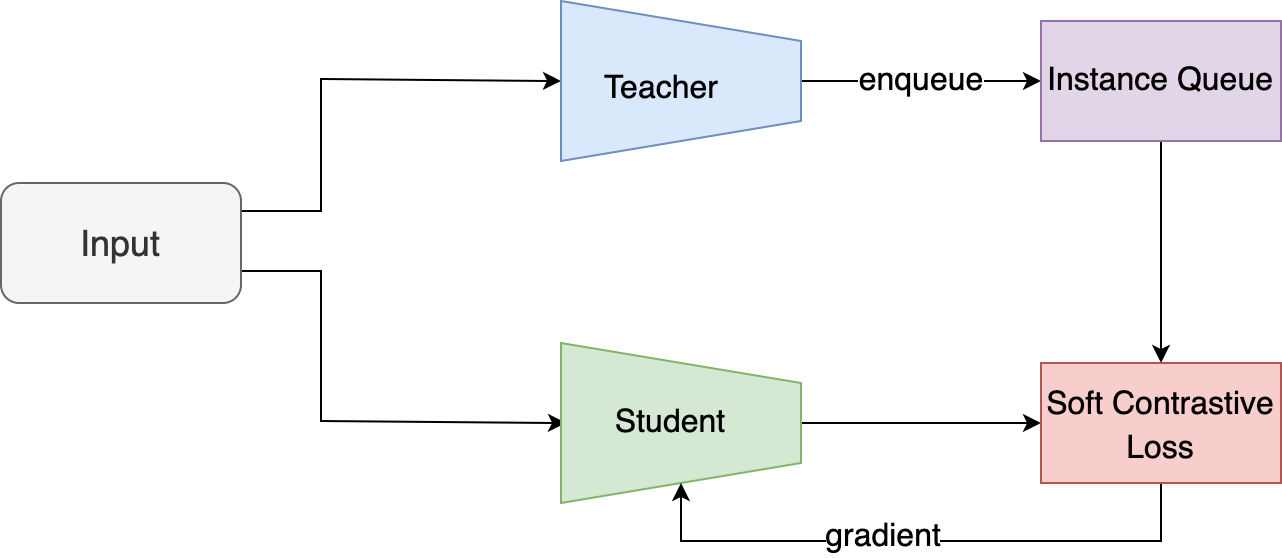
A review of SEED (ICLR 2021), which unifies knowledge distillation and self-supervised learning to pretrain small networks without labels.
-
Self-Supervised Learning - Getting more out of data
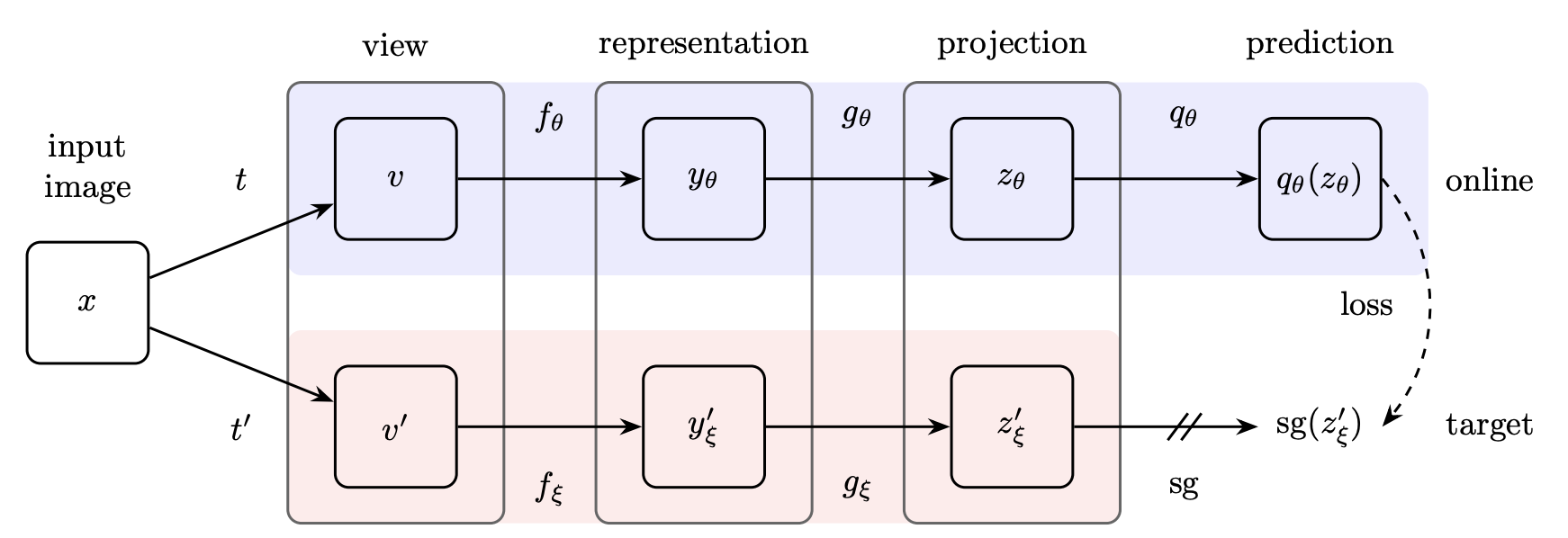
An introduction to self-supervised learning and how contrastive methods like SimCLR, BYOL, and SwAV learn image representations from unlabeled data.
-
Domain Adaptation
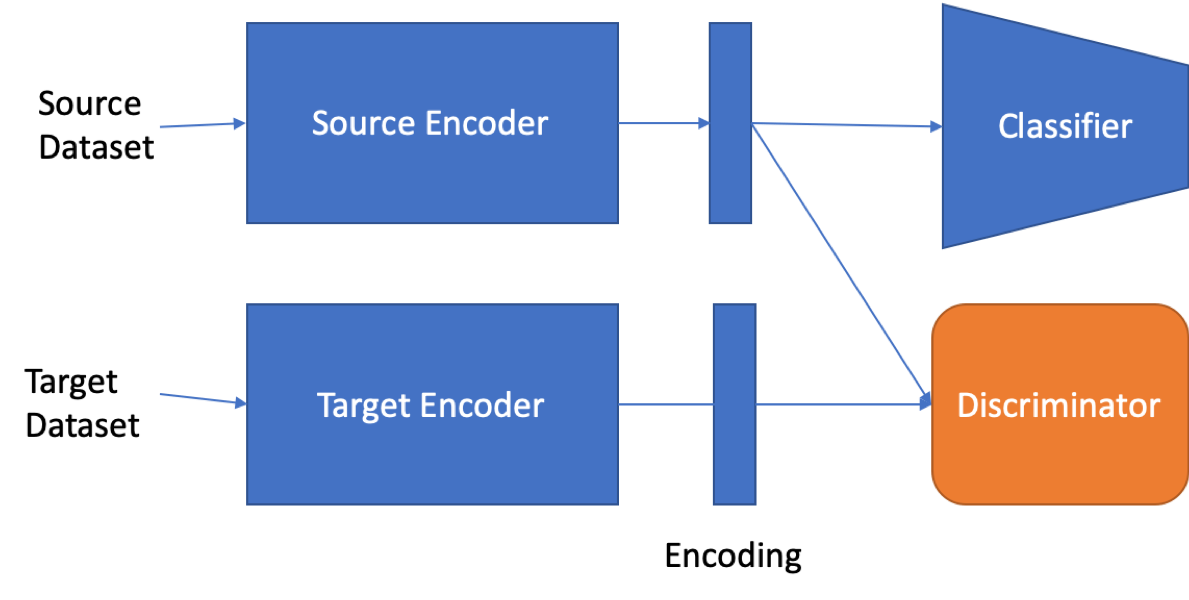
Why a model trained on one dataset fails on a slightly different one, and how domain adaptation methods close the domain shift gap in computer vision.
-
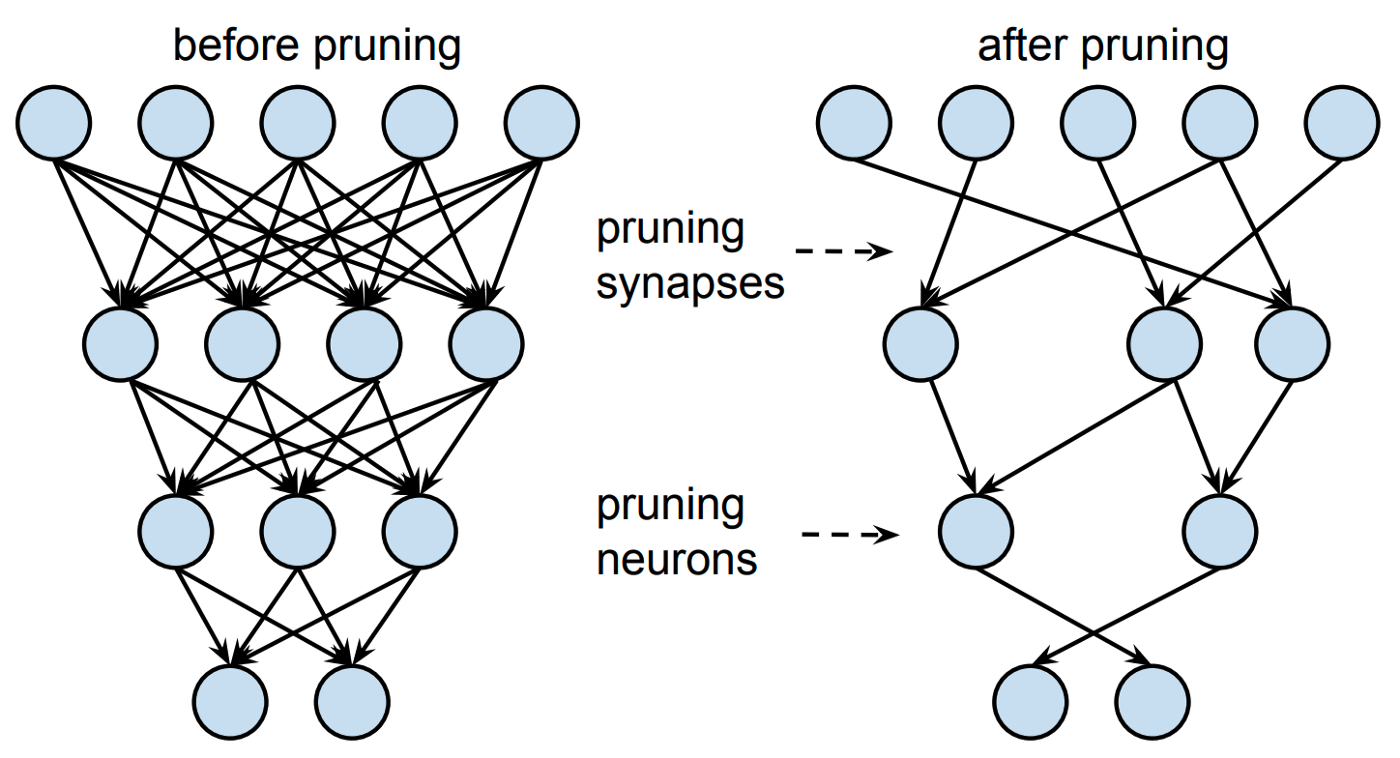
Pruning Neural Networks
How neural network pruning compresses trained models by removing weights and neurons, and the tradeoff between model size and accuracy.